
Few pieces of classical music have managed to achieve the universal recognition and widespread affection that Johann Pachelbel’s Canon & Gigue in D enjoys today. This Baroque masterpiece has not only withstood the test of time but has found its way into countless celebrations, particularly weddings, and even modern pop culture. But what is it about this piece that makes it so enduring, and how has it been used and transformed throughout history?
The Origins of Canon & Gigue in D
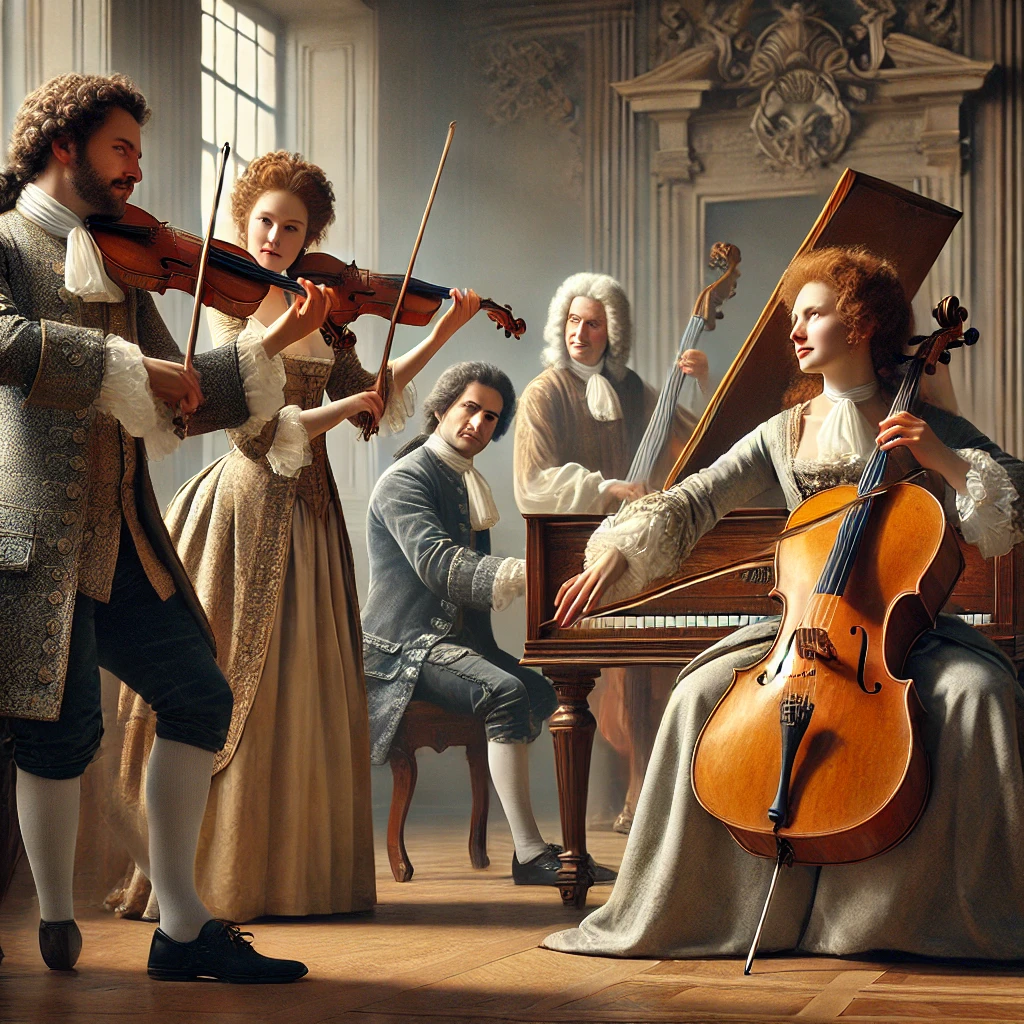
Composed in the late 17th century, Pachelbel’s Canon & Gigue in D is a prime example of Baroque music, characterized by its intricate structures and ornate details. The «Canon» is a form in which several instruments play the same music, but at staggered intervals, creating a rich, interwoven texture. Accompanying this is the «Gigue,» a lively dance in a fast tempo. However, while the Canon has achieved fame, the Gigue remains lesser-known and rarely performed.
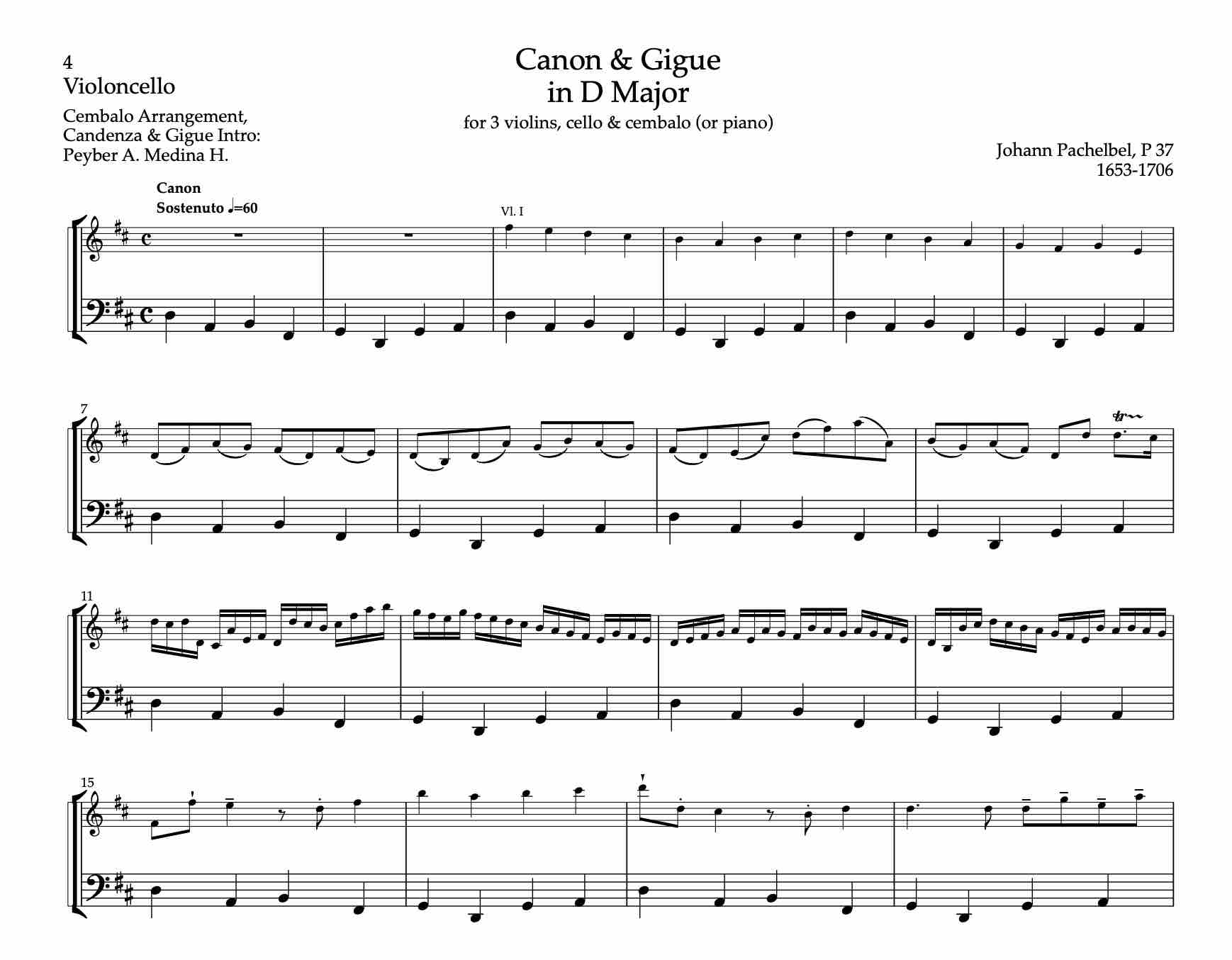
The structure of the Canon itself is fascinating: a repeated, ground bass line anchors the piece, while the upper voices create variations, weaving an intricate tapestry of sound. This creates a sense of both stability and evolution—qualities that contribute to its emotional resonance and widespread appeal.
A Modern Fixture in Weddings and Beyond
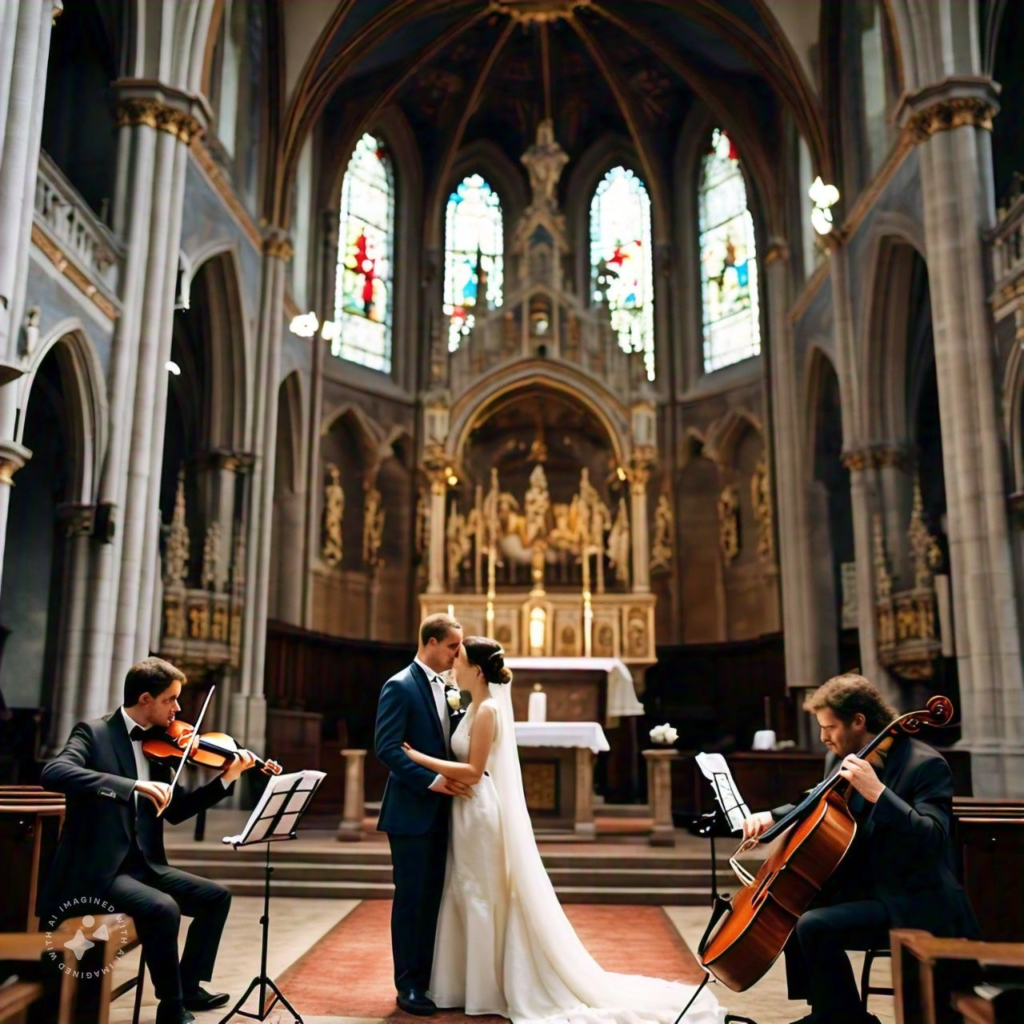
If there’s one setting where Canon in D has become almost synonymous, it is weddings. The serene and graceful progression of harmonies evokes a sense of timeless beauty, making it a favorite for couples walking down the aisle. But the journey of this piece into matrimonial ceremonies did not occur overnight. Its rediscovery and subsequent rise to fame began in the 20th century when it was recorded and performed by various classical ensembles, sparking a revival of interest in Pachelbel’s work.
The harmonic pattern of the Canon has also found its way into the popular music world. Countless songs borrow its chord progression, demonstrating the influence of this Baroque gem on everything from pop ballads to film scores. Bands and artists have reinterpreted it in styles ranging from rock to ambient music, proving its adaptability and continued relevance.
Peyber Medina’s Captivating Harpsichord Arrangement
For those who appreciate the authentic Baroque sound, Peyber Medina has created a stunning arrangement of Canon & Gigue in D for the harpsichord. This arrangement brings out the full expressive range of the harpsichord, enhancing the interplay of voices with crisp, resonant articulation that only this historical instrument can provide. If you are a harpsichordist or a lover of early music, you will be delighted by the elegant nuances captured in this version.

You can find Peyber Medina’s arrangement, complete with meticulously crafted sheet music, available in the shop on peybermedina.com. Explore the intricacies of Pachelbel’s work as envisioned for harpsichord, and bring a piece of Baroque history into your own performances.
Curious Facts About Canon in D
- Hidden from Fame: Despite being a quintessential piece today, Canon in D was largely forgotten until the 20th century. It was rediscovered in the early 1900s when scholars began cataloging and performing Baroque works that had slipped into obscurity.
- A Viral Progression: The chord progression of Canon in D (D-A-Bm-F#m-G-D-G-A) has inspired many modern songs. Tracks like “Go West” by the Pet Shop Boys and “Memories” by Maroon 5 owe their musical structure to Pachelbel’s Canon.
- A Musical Grounding: The piece’s repetitive bass line provides a stable foundation, allowing listeners to feel a sense of predictability, even as the upper voices vary and build in complexity. This interplay between consistency and variation is a hallmark of why Canon in D feels so emotionally satisfying.
The Enduring Legacy
Pachelbel’s Canon & Gigue in D continues to captivate audiences, proving that music can transcend centuries and cultural shifts. Whether performed in a grand cathedral, a rustic outdoor wedding, or interpreted in new and creative ways, this piece remains a symbol of beauty and musical mastery.
If you are eager to experience or perform this timeless classic in a fresh way, don’t miss the opportunity to explore Peyber Medina’s exquisite harpsichord arrangement, now available for purchase. Immerse yourself in the rich, textured sounds of Baroque music and let Pachelbel’s genius come alive under your fingers.
